Biohazard Cleanup
Blood, body fluids and other infectious materials are removed, followed by property disinfection.
See biohazard cleanupDo not let people enter a space made unsafe by bodily fluids, blood, sewage or another biological hazard. Ask for clear guidance without delay. If law enforcement or other authorities are involved, the affected area must be released before cleanup starts.
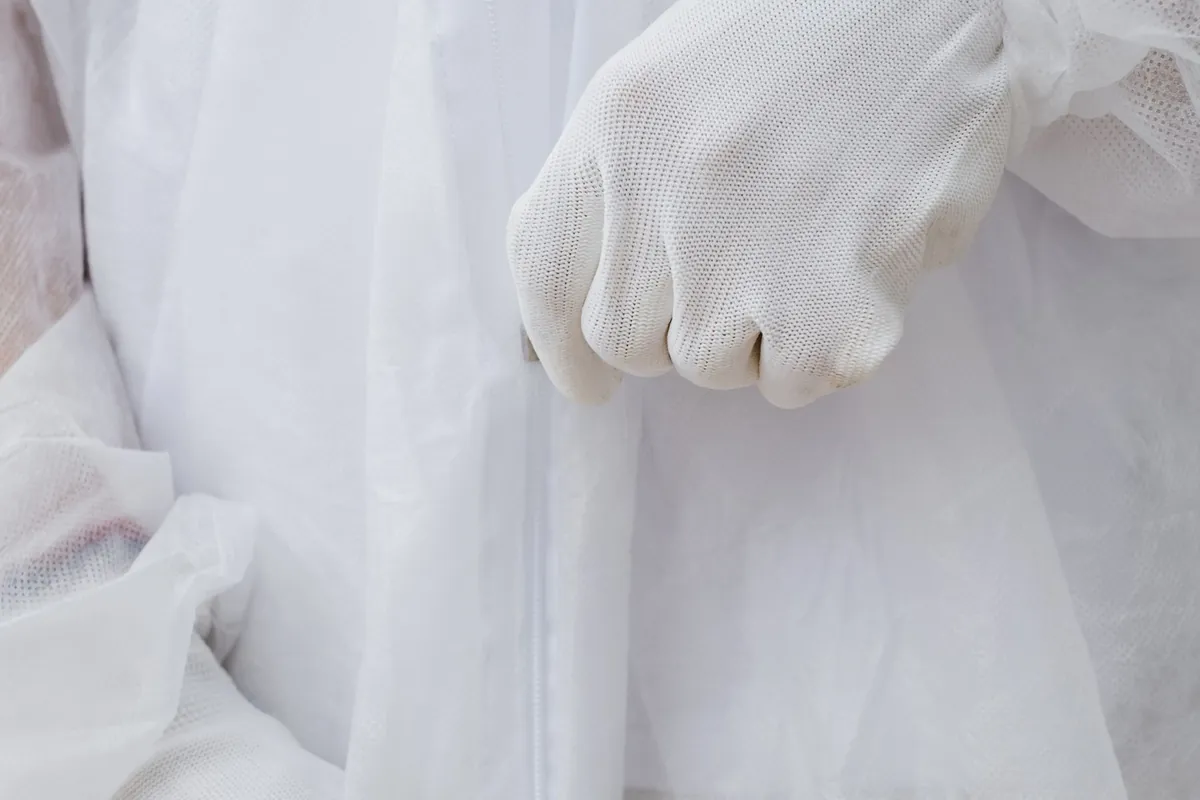
Emergency biohazard cleanup urgently contains biological contamination before its removal, cleaning and disinfection. It covers human waste, bodily fluids, blood and similar hazards that could cause injury or illness through exposure.
Situations leading to this work include accidents, major blood spills, trauma scenes, crime scenes, sewage backups and unattended deaths. First, emergency cleanup limits the spread into areas that are still clean. Cleanup technicians assess the affected space, isolate it and decide how to perform the work in the safest order.
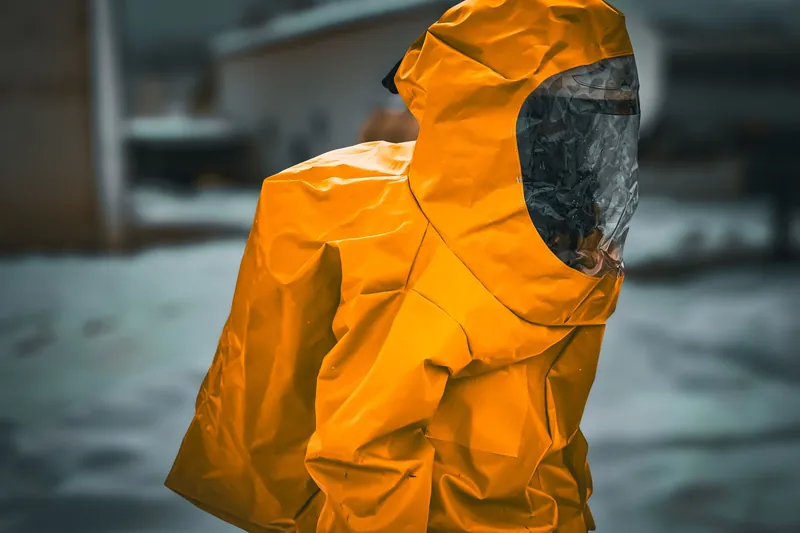
Visible dirt may come off with ordinary cleaning, but biohazard remediation requires more. Workers use protective equipment and carefully remove contaminated material. They clean surfaces, apply an EPA-registered disinfectant for the entire label contact time, package hazardous waste, address odor and complete a final inspection. This work helps the space progress toward clean, normal use.
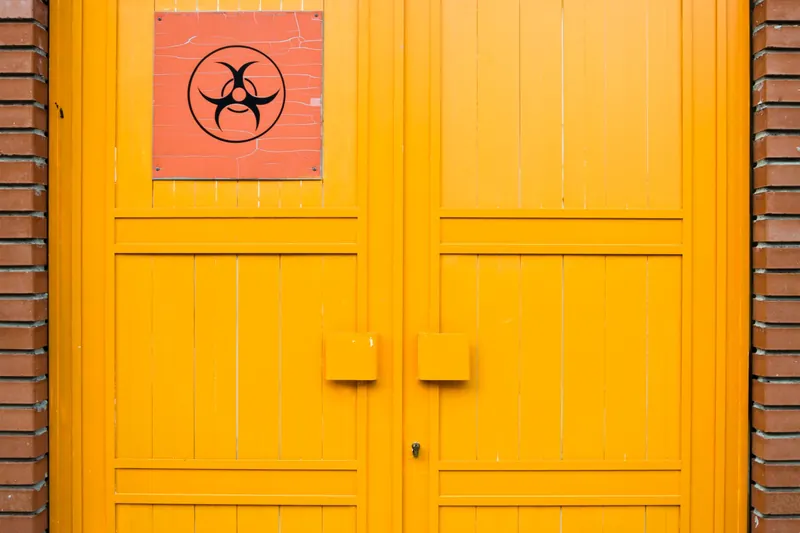
Crew members travel in unmarked vehicles. Privacy around the work zone can be maintained from neighbors, guests and clean sections of your property.
You can explain the situation day or night and get immediate safety instructions while access, scene release and cleanup needs are assessed.
The cleanup process starts after you are told what can be cleaned, what could come out and why cost may change.
You can use images, project details and waste documentation to describe biohazard remediation to your property manager or insurance company.
Biological material calls for emergency cleaning when it could spread within a vehicle, home or workplace, or when it presents a serious risk to health. Situations commonly include:
A delayed death discovery can call for odor treatment, removal of fluids and thoughtful sorting of items in the surrounding area.
On walls, furniture or flooring, blood may soak into porous layers and joints. Keep others away and do not walk through the spill.
Before cleaning may begin, law enforcement needs to finish collecting evidence and release the area.
Sewage backup water is classified as Category 3 black water. Cleaning, removal or drying may be necessary for walls, belongings and flooring.
Your first job is to prevent contact and avoid spreading the contamination. Take these steps while arranging professional cleanup:
Call (888) 440-9227Emergency work has no distinct range in published guides. For biohazard cleanup in general, the guides show a typical national range from $3,000 to $5,000. Residential averages span $1,800 to $4,500; most home projects fall between $2,500 and $8,000. The complete span published by Fixr is $1,500 to $25,000. Final cost can also be affected by urgency.
Published national cost guides are the source for these ranges, rather than an inspection of your property. An on-site assessment determines your property's price, which is explained to you before the cleanup starts.
Ask about cost: (888) 440-9227Biohazard cleanup may be covered by certain homeowners, commercial or renters policies after a sudden event that qualifies for coverage. The policy terms, cause, deductible and limits determine whether coverage applies.
Victims of violent crime can ask the Florida Attorney General's Bureau of Victim Compensation about cleanup, since its rules count crime scene cleanup costs as a compensable loss. Insurance is usually checked first.
When contacting the insurance company, describe what occurred and confirm whether cleaning, removal, odor treatment and future repairs are covered by the claim.
Retain the invoices, photos, waste paperwork, cleanup details, release of the scene and claim number. Before cleanup alters the area, find out which records your adjuster needs.
If you rent, report the situation to your property manager or landlord. The cause and place of contamination, along with lease and policy terms, can determine responsibility.
To protect clean areas from contamination, emergency work proceeds in a controlled order. No two situations are identical, but these steps are usually part of the cleanup:
Cleanup technicians identify the type of contamination, trace the affected area and note materials, access limits and immediate safety concerns.
Barriers separate the work zone from unaffected rooms. The exposure risk and required work determine which protective gear and clothing are used.
Fluids and contaminated debris are collected without spreading them. Controlled sections of material are taken out when complete cleaning is not possible.
Disinfection starts after visible debris is removed. This cleaning step lets the disinfectant reach the surface instead of sitting on debris.
For cleanable areas, crews use an EPA-registered disinfectant and maintain surface wetness throughout the labeled contact time.
Sharps and contaminated materials receive secure containment, then move as required by medical or regulated waste standards.
Following removal of the source, particles and odor along nearby air routes and inside the room can be addressed with air scrubbers or other suitable treatment.
A final check looks for contamination left in the work space. Property owners and insurance companies can receive clearer work details through images, scope documentation and records for disposed waste.
You can call anytime. A specialist in emergency 24/7 biohazard cleanup takes your call, explains each step and agrees on a start time with you.
Blood, sharps, sewage and body fluids may pose a serious danger to health. A dry appearance or small affected space does not remove that risk.
You may feel upset by a sudden biohazard, especially after someone dies or a traumatic event occurs. A person you trust can coordinate access so you do not have to be near the scene.
Fluids can travel under baseboards and soak through carpet, padding, subfloor, drywall or furniture. Wiping the visible surface may leave contamination behind.
Viruses that blood may carry include hepatitis C, HIV and hepatitis B. The CDC says hepatitis B can survive on surfaces for at least seven days, so dried blood still requires care.
Can you clean it yourself? Cleaning a few drops of fresh blood from non-porous, hard material may be possible with single-use gloves and disinfectant registered by the EPA, applied for the full labeled contact time. Seek professional cleanup when the source is unknown, the spill reached porous material, sharps are present or you cannot see its full boundary.
If a surface is accessible and allows full cleaning and disinfection, it can be kept. A porous item must be removed once contamination has soaked past the point where cleaning will work.
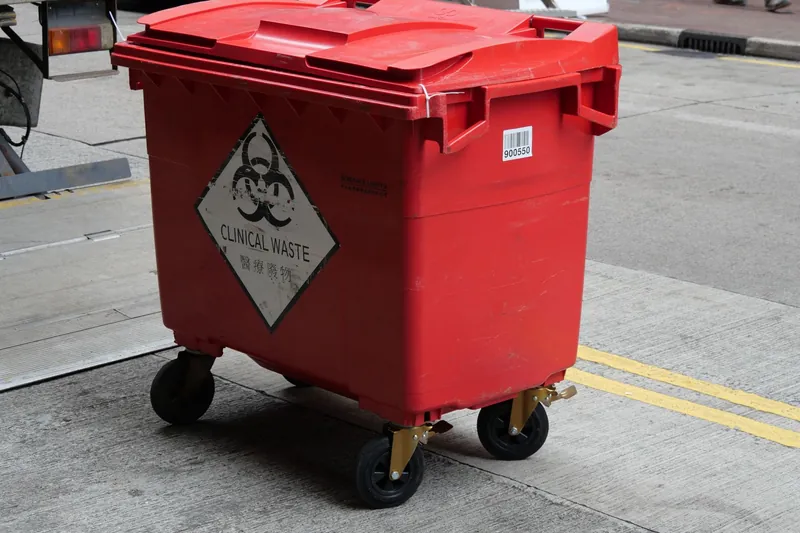
A fixed completion time cannot be given for this cleanup. Timing depends on what contaminated the space, how many areas it reached and the affected materials. The schedule also reflects whether fluid entered concealed layers and when the scene becomes released.
| Scene | Typical time on site |
|---|---|
| Limited affected area on a hard surface | Completion may take one work period once the assessment is finished |
| Porous materials removed from a single room | May involve multiple phases that cover cleaning, material removal and inspection |
| More than one room, building material impact or odor | Restoration may not start until several work periods are completed |
Odor removal begins by finding and removing the contaminated source. Fragrance and surface spray cannot correct fluids trapped under flooring, inside furniture or behind walls. Those materials need to be cleaned or removed before air treatment begins.
While an area is under control, HEPA air scrubbers can remove particles from the air. Suitable spaces that remain occupied may allow hydroxyl treatment, but ozone calls for a vacant controlled area and cautious reentry. Choosing a method requires looking at the contamination source, air routes and impacted materials. HVAC openings also need checking if odor might have traveled to adjacent areas.
The full emergency 24/7 biohazard cleanup guide covers what is cleaned or removed, odor and air quality work, and the rules that apply in Florida.
Read the full emergency 24/7 biohazard cleanup guideLocal population patterns, housing and site access may affect how containment and cleanup are planned.
The local mix includes 35.5% renter occupied homes, making it useful to establish who controls repairs before cleanup begins.
Homes with a median construction year of 1969 may contain layered renovations that hide affected materials beneath newer finishes.
With 29.8% of seniors living alone, private cleanup communication may need to include a relative who lives somewhere else.
The local mix includes 52.5% single-family homes, so privacy measures should reflect both detached and multi-unit settings.
Your phone conversation can include questions about service in nearby ZIP codes and communities.
Blood, body fluids and other infectious materials are removed, followed by property disinfection.
See biohazard cleanup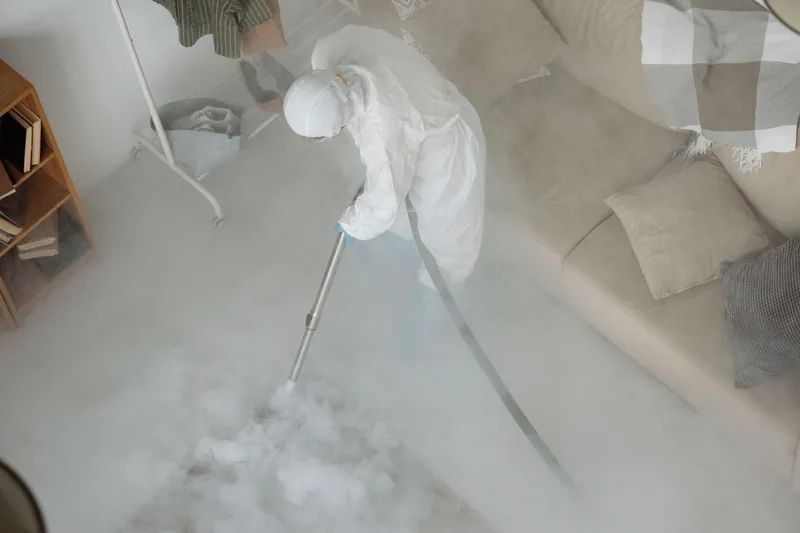
Full decontamination of rooms, surfaces and air after infectious or hazardous exposure.
See biohazard decontamination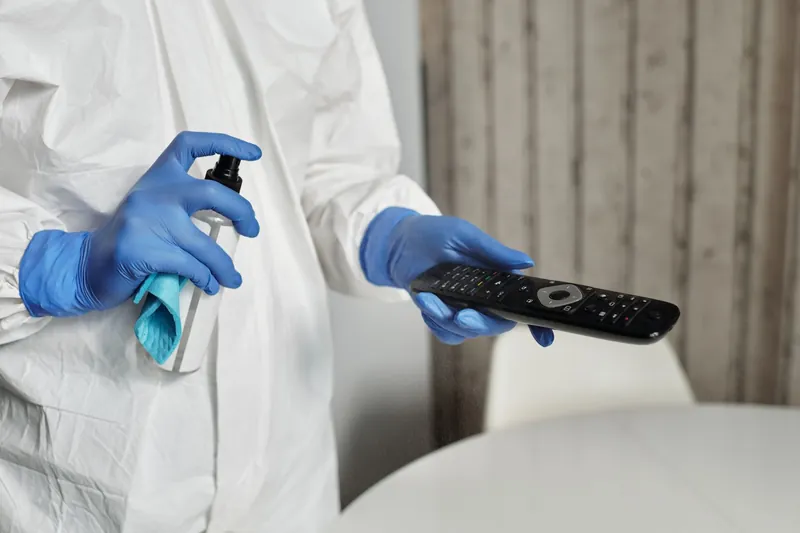
A contaminated space is restored to safe use through biological remediation and contaminant removal.
See biohazard remediation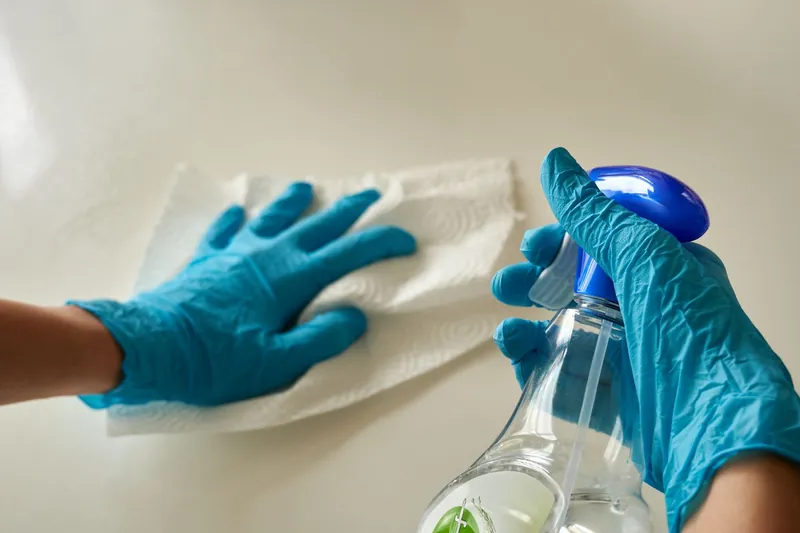
Carpet, solid floors, walls and furnishings receive blood cleanup that includes safe disposal.
See blood cleanup
Trauma scene cleanup addresses the aftermath of accidents, injuries and violent incidents.
See trauma scene cleanup
Crime scene cleaning after police release the property, from blood to odor.
See crime scene cleanup
Decomposition cleanup and odor control are needed after a death goes unnoticed for several days.
See unattended death cleanup
Raw sewage cleanup treats Category 3 black water and includes both drying and disinfection.
See raw sewage cleanupCertain bodily fluids and blood, along with sewage, human waste, sharps or materials they contaminate, may present biohazards. The degree of risk varies by source, quantity, surface type and how exposure could occur. When the source and full reach are not clear, block others from entering and ask for direction before handling any part of the spill.
With gloves and an appropriate EPA-registered disinfectant left for the complete contact time, you may be able to clean a few drops of your blood from a non-porous hard surface. Do not try cleaning an area with sharps, affected absorbent material, an uncertain source or spill edges you cannot see.
Emergency biohazard cleanup is urgent cleaning and disinfection after blood, bodily fluids, human waste, sewage or another biological contaminant affects a property. Cleanup covers isolating the area, taking out unsalvageable materials, disinfecting, waste disposal and odor treatment. A controlled area must first receive release from police or another authority.
Coverage may apply. Your policy language, coverage limits, deductible, exclusions and reason for the incident determine what may be covered. Check with the insurance company about biohazard cleanup, removal of affected materials, odor treatment and restoration. Retain your claim number along with photos, official release, project details, invoices and disposal records.
Emergency work does not have its own range in published guides. Biohazard cost guides show $3,000 to $5,000 as a typical national range, while $1,800 to $4,500 is the residential average range. Urgency, waste disposal, porous items, affected area size and contamination type can each influence the total price.
The time depends on the contamination, surfaces, number of rooms and whether fluids reached subfloor, wall cavities or furnishings. A small hard-surface area may take one work period. The area might need more than one stage to become ready for restoration if work includes porous material removal, odor control or many rooms.
Respectful, discreet emergency 24/7 biohazard cleanup is available 24 hours a day, and crews arrive in unmarked vehicles.